
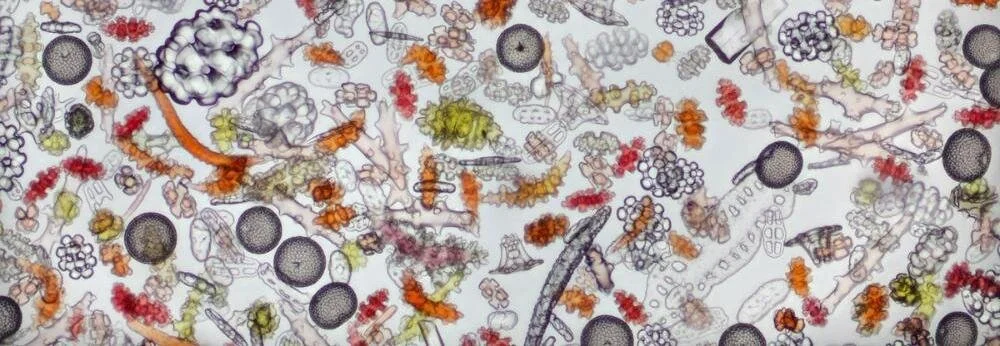
The Hidden Consciousness of Water
Water is earth's neurotransmitter. We must take this into account as we work to restore earth's living systems. Next time you see a body of water, ask yourself: what message is this water carrying? From where, and to whom?
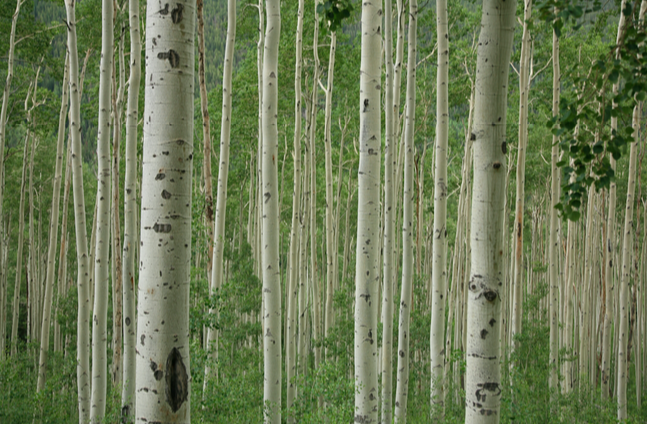
The Hidden Consciousness of Plant Life
Restoring our planet demands that we understand that nature is animate, not something to be owned and controlled. To any skeptics out there, more and more research is suggesting that nature—plants and forests—exhibits characteristics of consciousness. Indigenous cultures have long known this to be true. But Western science is finally coming around.
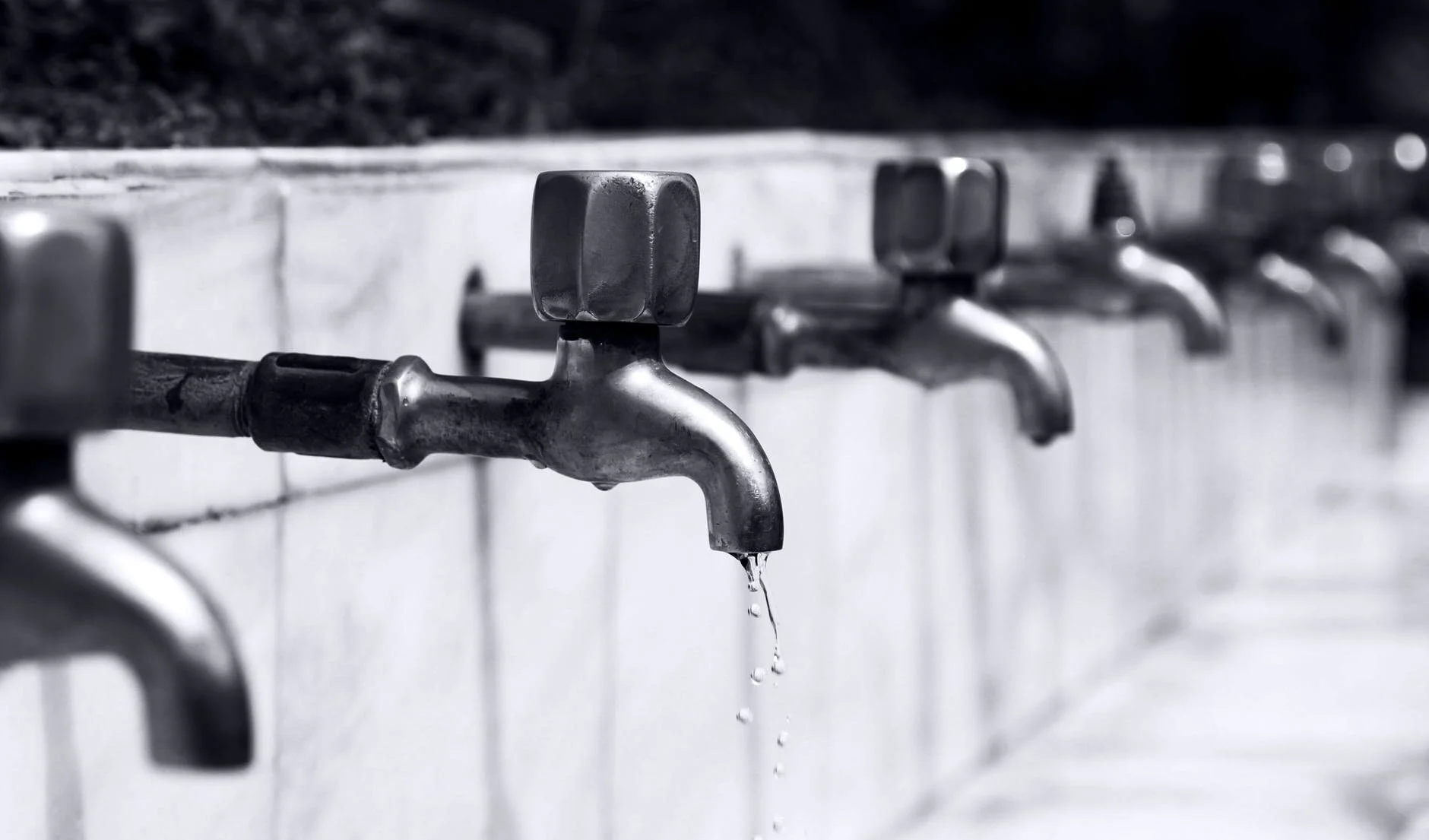
Toxic 'forever chemicals' found in drinking water throughout US
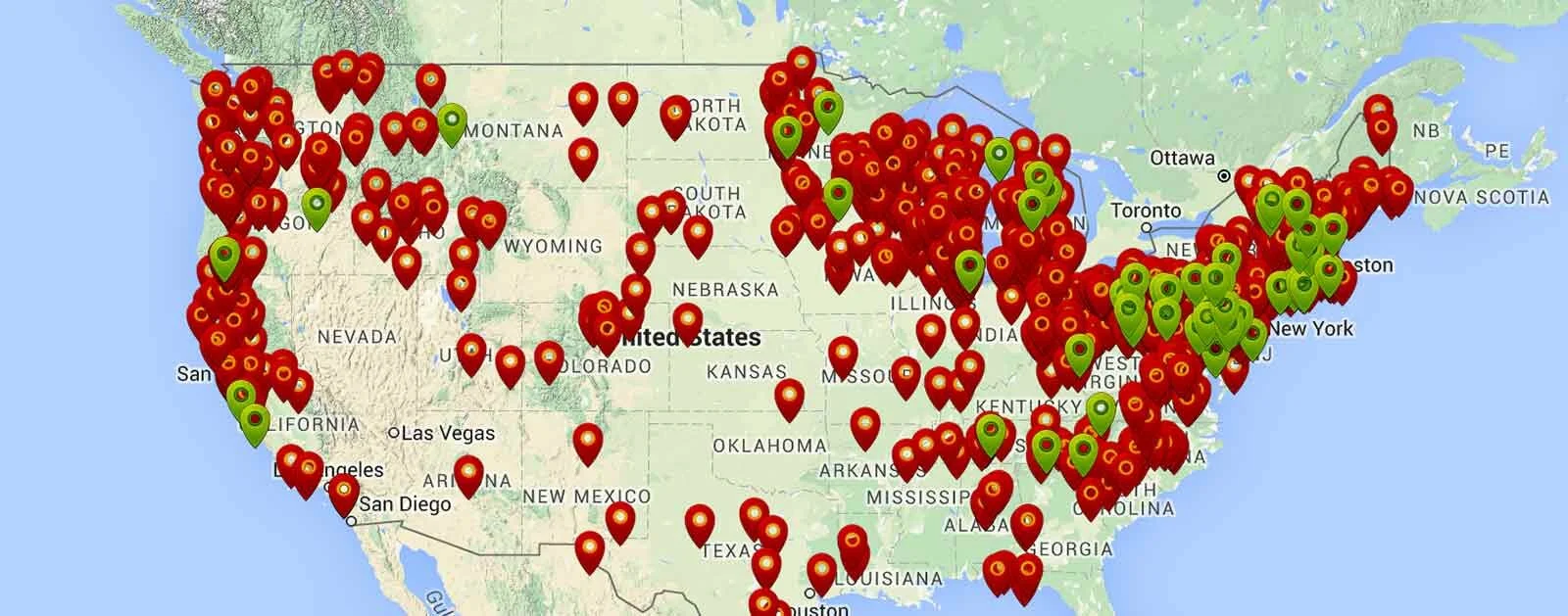
A study by an environmental watchdog group released this week found unacceptable levels of toxic chemicals in tap water used in dozens of American cities. USA TODAY covers the story.
Huge Victory Against Nestlé
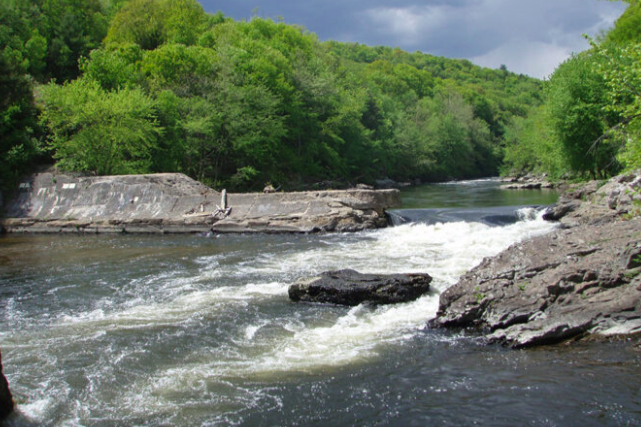
A Michigan court has dealt a huge blow to Nestle’s water bottling operations, ruling that Nestle’s planned pumping station would violate zoning laws because its private bottling of water does not constitute “an essential public service”, as Nestle’s legal team argued.
Reconnecting Waters, Part II
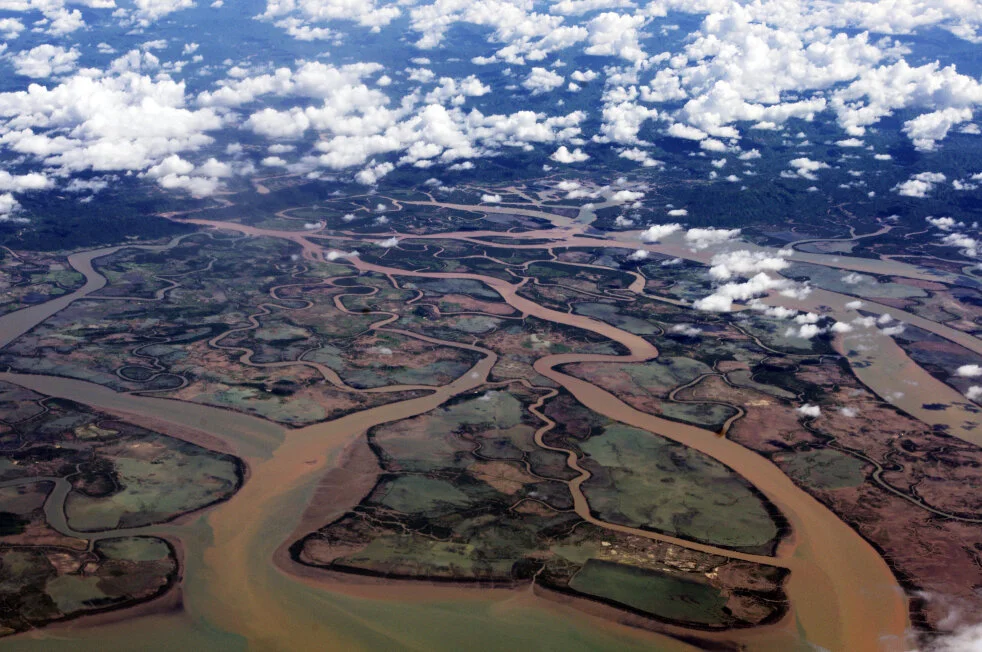
A recent UN climate report confirms what many people have long known: "Levees and floodwalls remove the critical connection between rivers and their floodplains and interrupt important ecological processes that deliver numerous benefits." In other words, flooding becomes worse when we try to fight nature.
Environmental Personhood
Environmental personhood is a legal concept which grants certain "human rights" to parts of the natural world. The inclusion of environmental personhood in our legal systems can be an essential step for protecting different cultures' essential relationships to their lands.
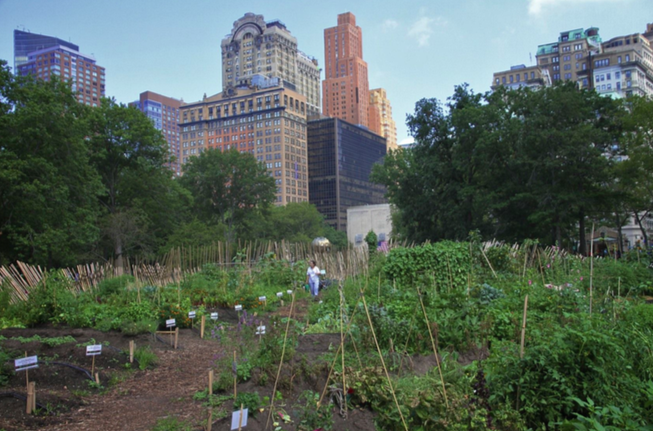
Reconnecting Our Waters
Floodplains connect to rivers, rivers to wetlands, wetlands to oceans—the health of an ecosystem is determined by its complexity. But much human development cuts water off from itself, traps water in pipes, and interferes with water's life-sustaining abilities.
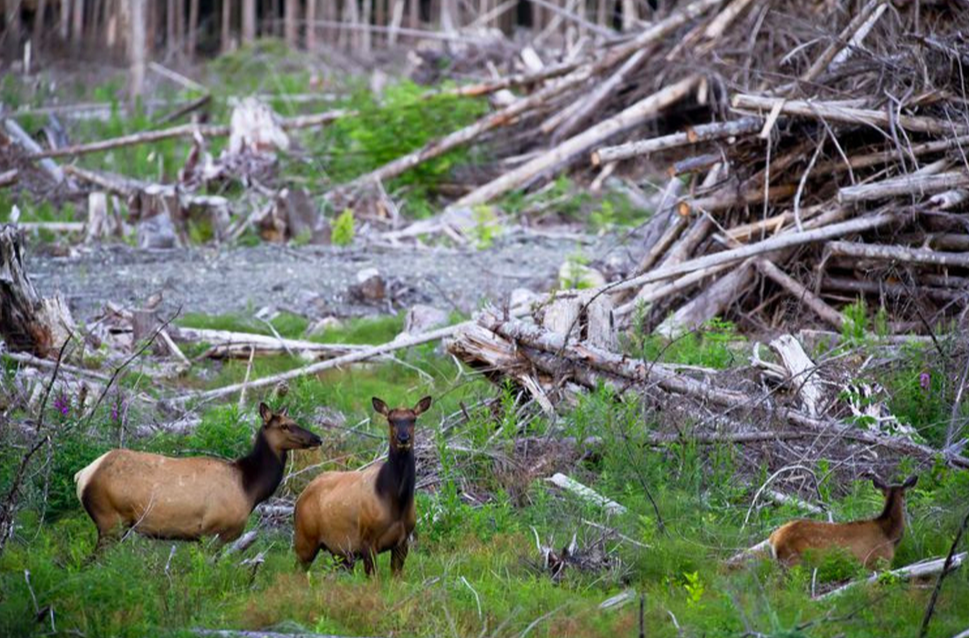
Mass Extinction is Already Here
Around 1 million species—plant and animal—are now threatened with extinction, many within decades. This is unprecedented in human history. That's 1 in 8 species of living things. Bigger, more "iconic" animals like rhinos and grizzly bears get a lot of attention, but it's important not to forget about the countless smaller animals and plants threatened by habitat destruction. Download this newsletter to find out how you can take action.
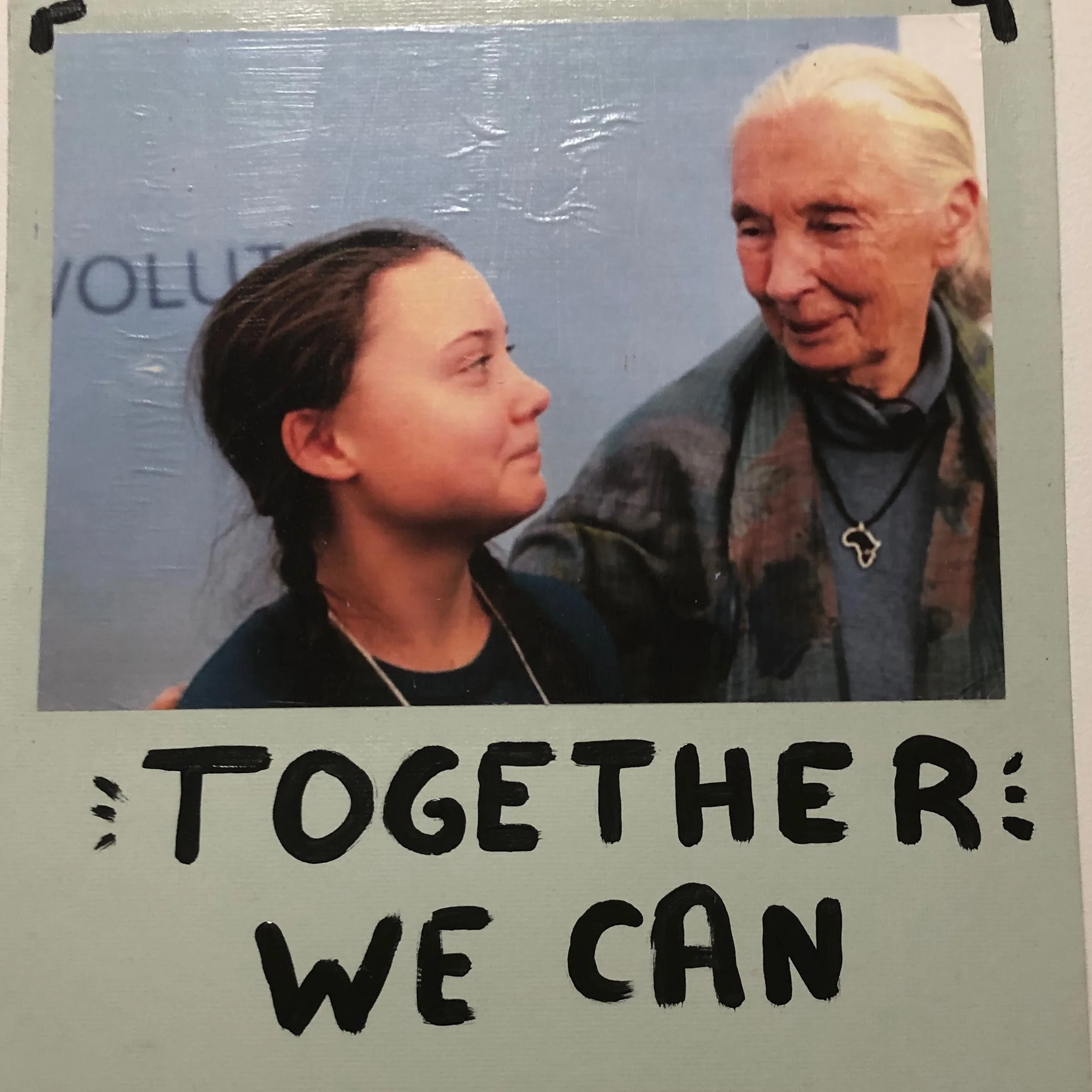
Climate Strike 2019
The recent Climate Strike brought unprecedented numbers of young people into the streets to demand action.
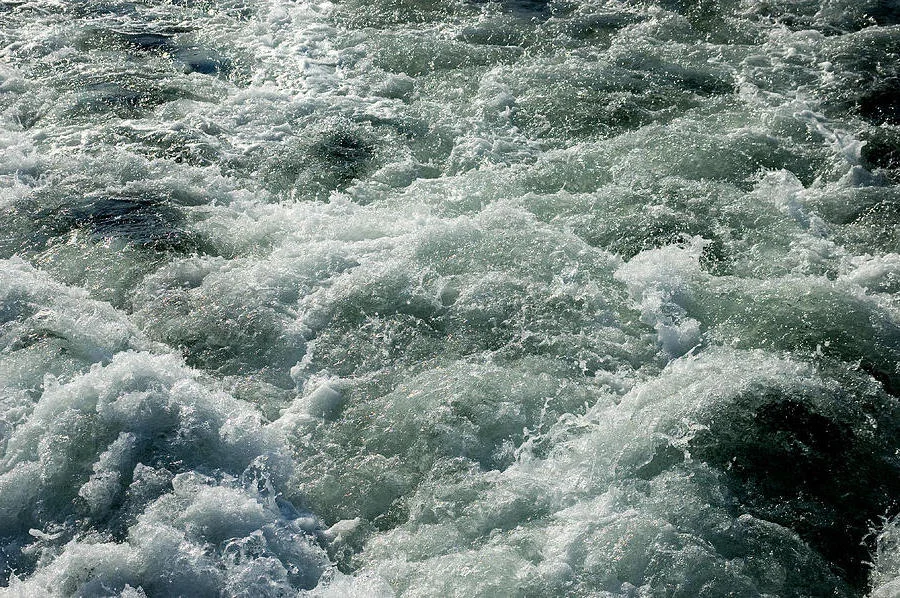
A Poem by Richard Downes
This poem, inspired partially by a meeting with Betsy, was written by Richard Downes. Richard is an emerging socially engaged activist poet.
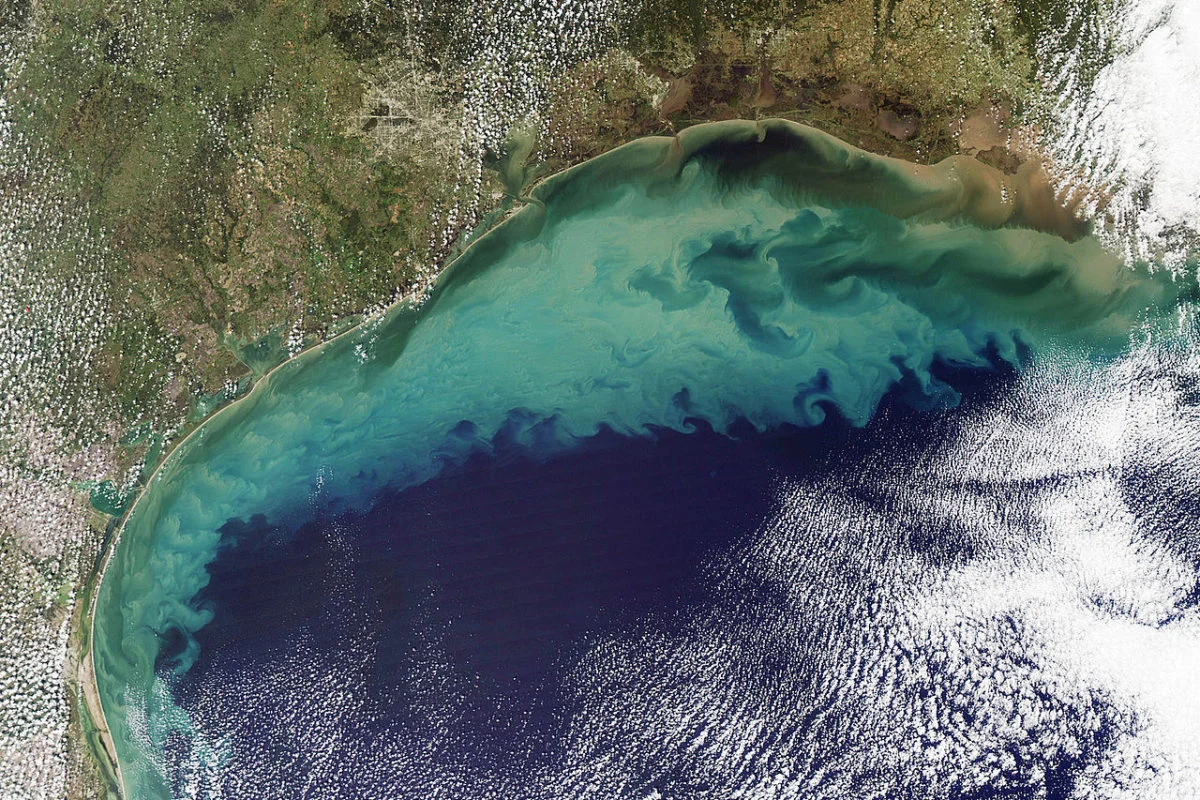
From CNN: All 21 of Mississippi's Beaches are Closed Because of Toxic Algae
Recently, local governments in Mississippi have had to close down all of their beaches to public use after extreme growth of toxic algae—thanks in part to fertilizer runoff from the Mississippi River.
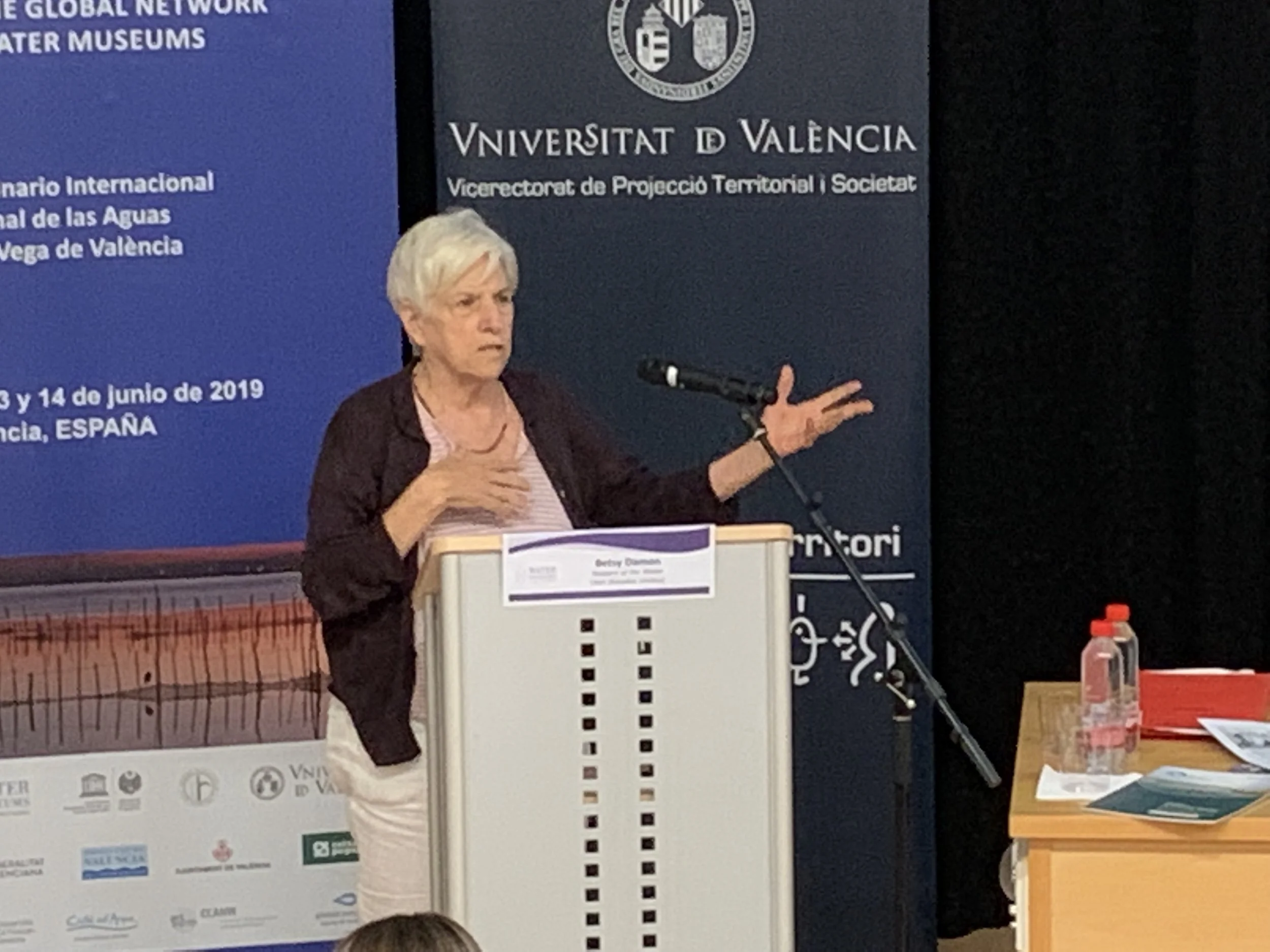
Betsy Damon's Talk at UNESCO’s Global Network of Water Museums Conference
Betsy Damon recently gave a talk at UNESCO’s Global Network of Water Museums Conference in Valencia.
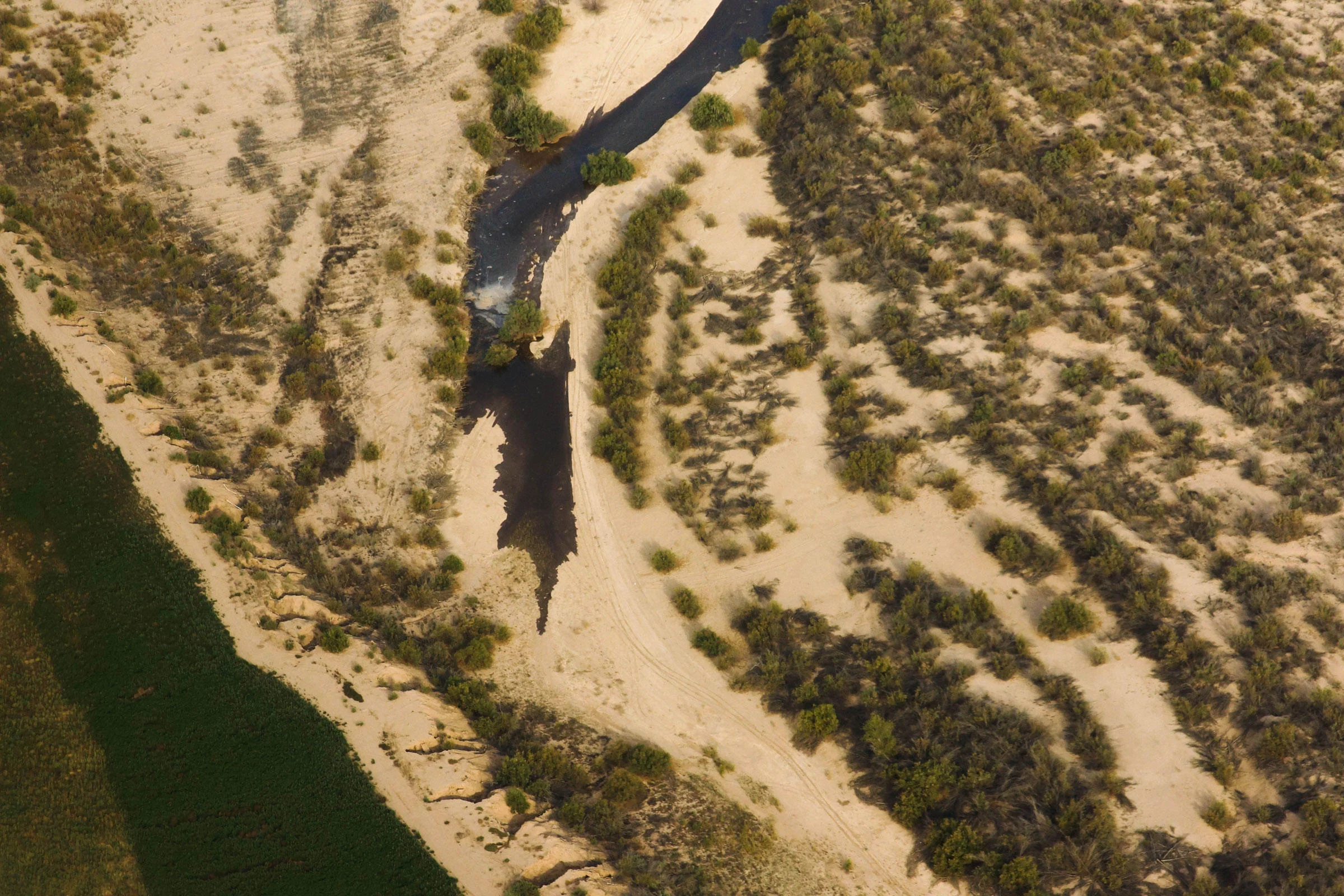
Audubon: "Pulses of Water Bring Life to the Famished Colorado River"
This article by Dora Chi for Audobon reveals the regenerative power of bringing the pulse of water back to a water-deprived landscape.
Letter from a 6th Grader to the Mayor
This letter was written to Mayor de Blasio by a local 6th grader concerned about how our reliance on plastic is harming aquatic life. We can all follow her example.
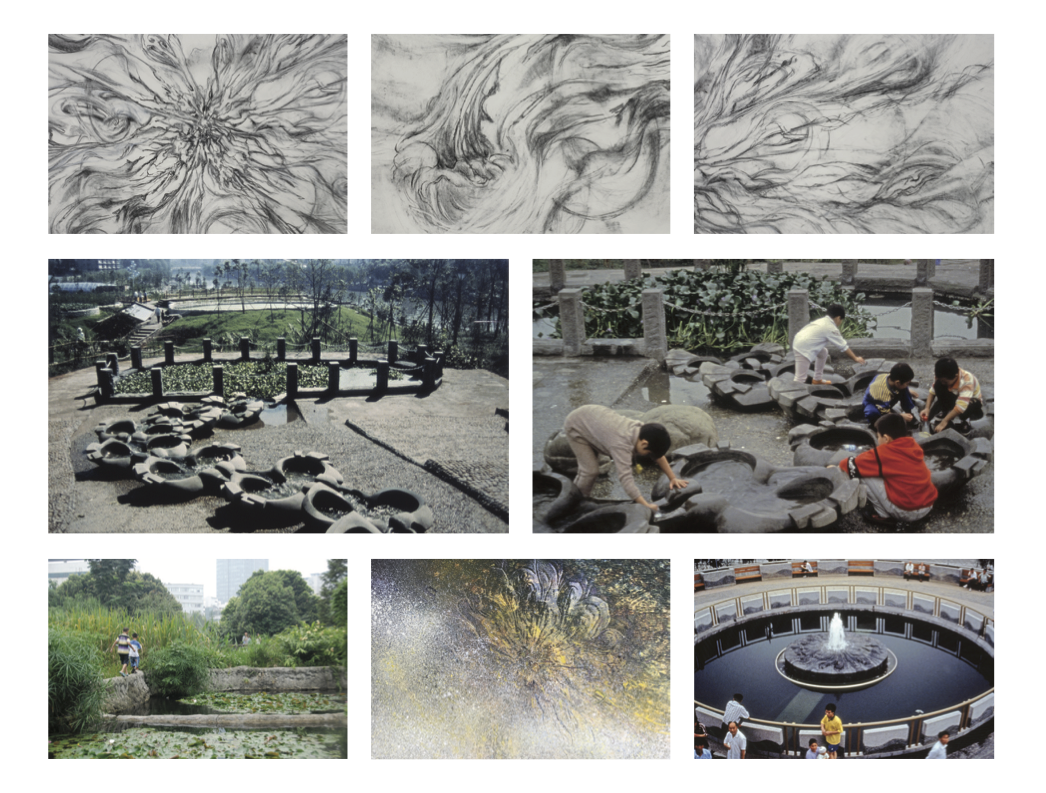
Betsy Profiled in CIWEM's The Envrionment Magazine
Karen Thomas, Editor of CIWEM’s The Environment magazine, recently profiled Betsy Damon’s career as an artist and water advocate.
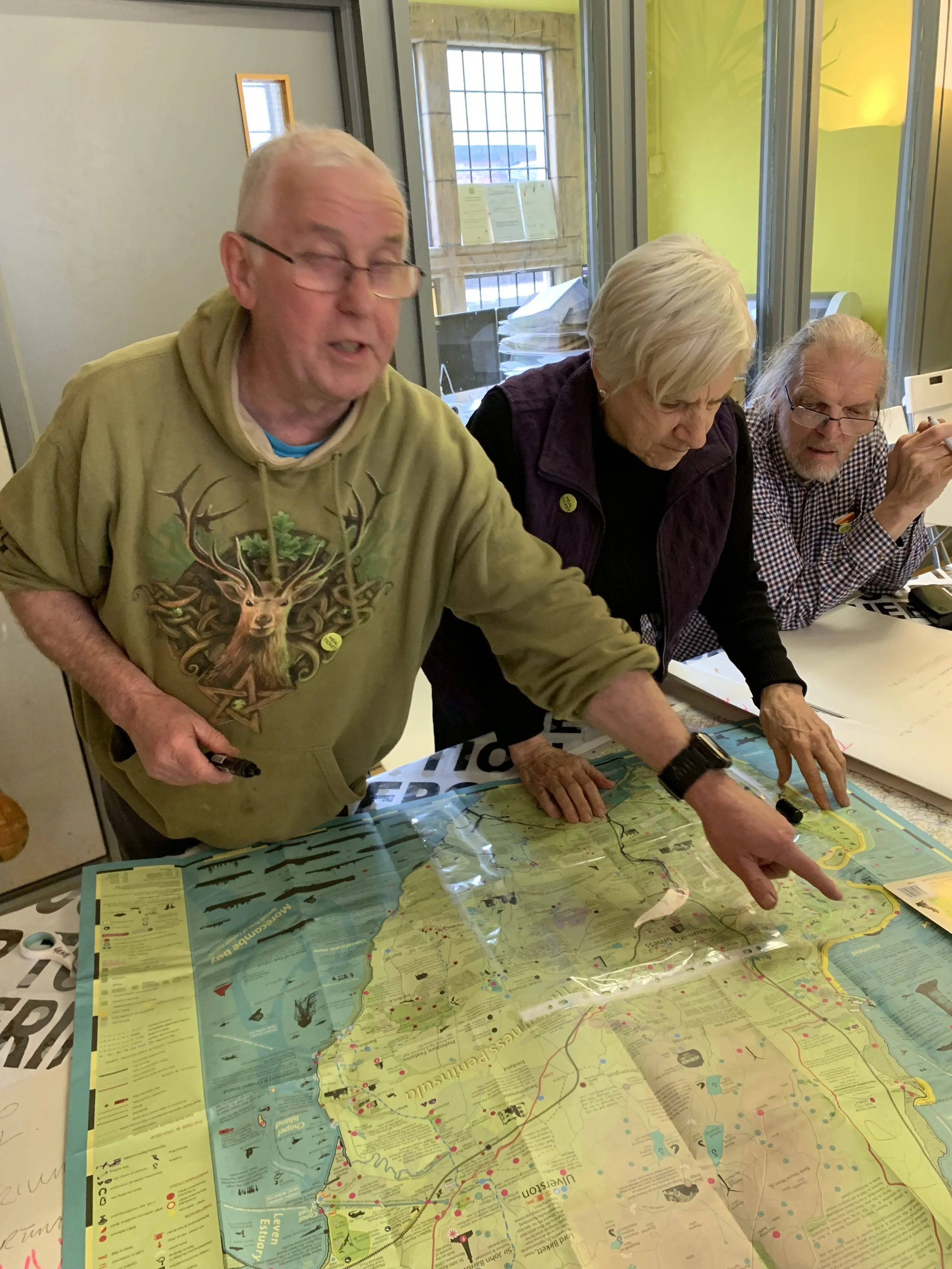
Extreme Views: Think Tank in Cumbria
I recently traveled to the U.K., where I participated in the Extreme Views: Think Tank put on by Art Gene.
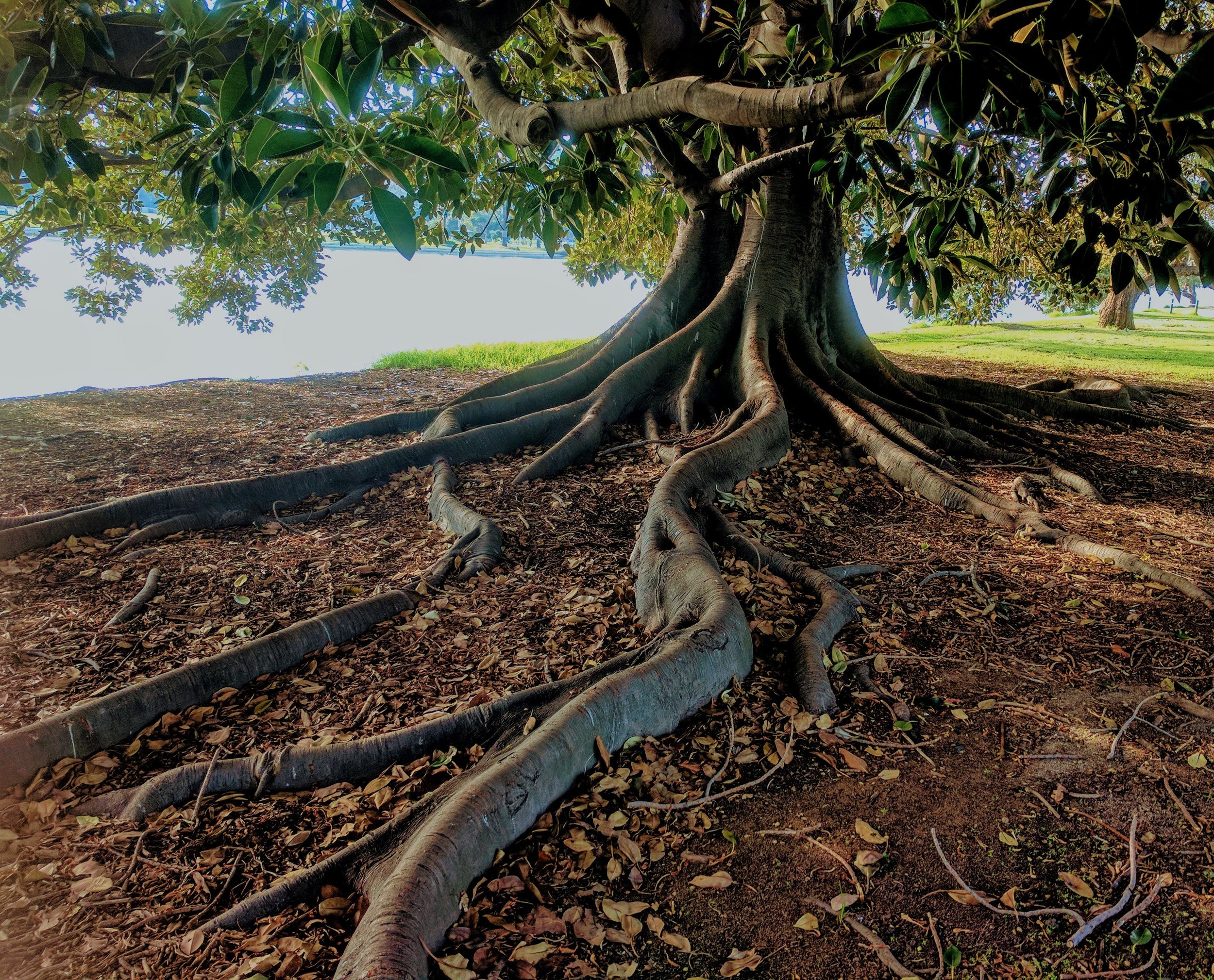
Study Says Trees Have Feelings
This article is from selfdevelopshop.com. According to scientific evidence, trees are way more intelligent than we have ever imagined.